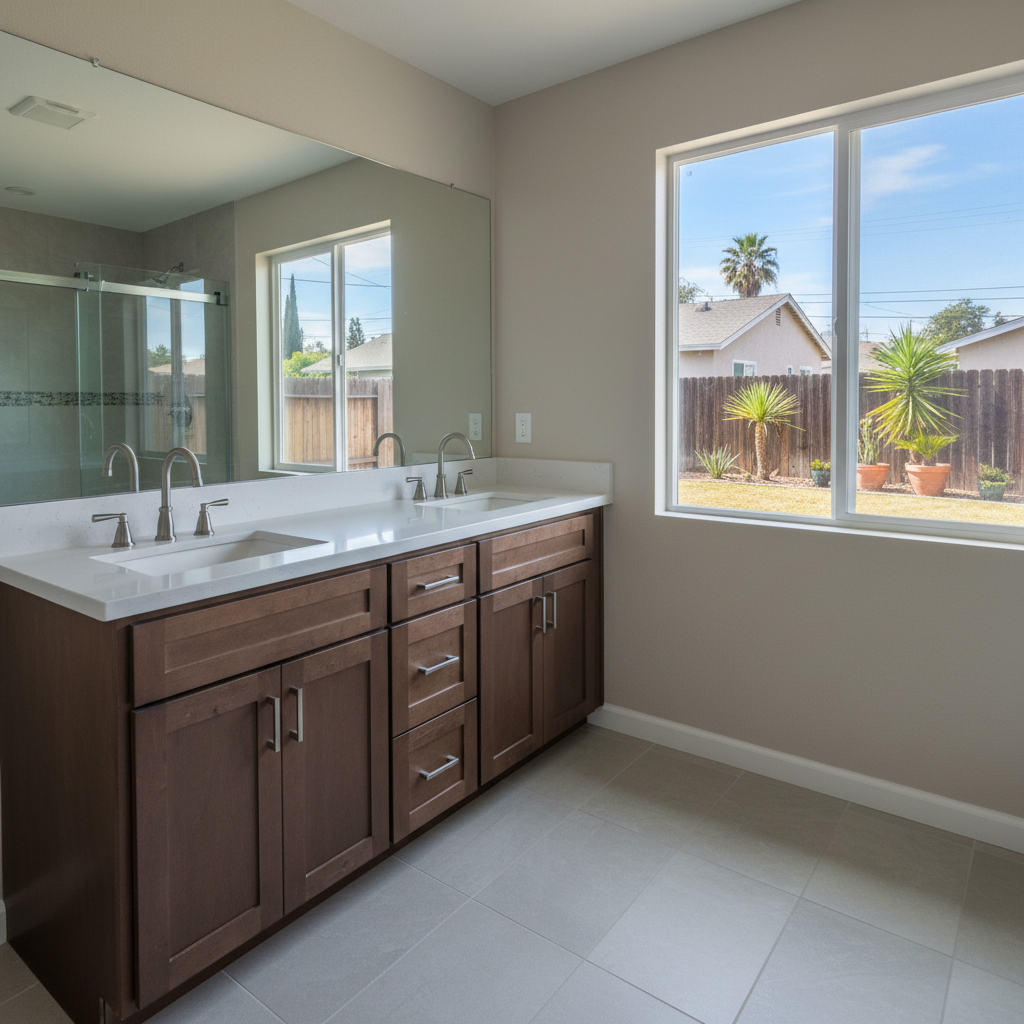
So, you're thinking about a new bathroom vanity or sink, huh? Maybe the old one's seen better days, or you just want to freshen up the bathroom's look. It's a pretty common project around Lakewood, especially in those mid-century ranch homes that make up so much of our city. But here's the kicker: it’s not always as simple as picking out a pretty piece and just slapping it in. There are a few practical things you really need to chew on before you start tearing stuff out.
Why Local Expertise Matters for Your Vanity Install
First off, let's chat about why hiring someone local who truly knows their stuff is a big deal. I’ve been doing this for years, and I can tell you, every city has its own little quirks. In Lakewood, for example, we've got a ton of homes built in the 50s and 60s. That means you're often dealing with original plumbing that might be copper, galvanized steel, or even some of those older PEX systems. When you're swapping out a sink, you're connecting to those existing lines. A good contractor knows exactly how to handle these older materials without causing a flood of leaks down the line. They'll also have a pretty good idea if your existing shut-off valves are likely to seize up or crumble the moment you try to turn them.
Another thing I've noticed is the soil. We're on pretty flat land here, and depending on your specific neighborhood – say, over by the Lakewood Center or closer to the San Gabriel River – you might have totally different soil conditions. This can affect how your foundation settles over time, which in turn can mean slightly out-of-square walls or floors. A vanity that looks perfectly level in the showroom might not sit quite right in your bathroom. An experienced local installer will spot these things and know how to shim or adjust to make it look perfect, not just 'good enough'.
Choosing the Right Vanity for Your Lakewood Home
When you're picking out a new vanity, wow, you've got a ton of options. Do you want a freestanding one, a wall-mounted floating style, or a custom cabinet built right in? Each has its upsides and downsides, and it often comes down to your space and your existing plumbing. For those smaller bathrooms, like the half-baths you find in some of the older two-story homes in the Mayfair area, a pedestal sink or a compact wall-mounted vanity can really open up the room. You definitely don't want something bulky that makes the space feel cramped.
Think about storage, too. If you're going from a big cabinet vanity to a pedestal sink, where are you going to put your toiletries? Sometimes people totally forget about that until it's too late. I always tell my clients to consider their daily routine. Do you need drawers for makeup? Do you want open shelving for towels? These aren't just about looks; they're functional choices.
Understanding Your Sink Options
Then there's the sink itself. You've got undermount, drop-in, vessel, and integrated sinks. Each one changes the look and feel of your countertop. Undermount sinks are popular because they give you a seamless countertop surface, which is awesome for cleaning. Drop-in sinks are usually easier to install and often more budget-friendly. Vessel sinks sit on top of the counter and can be a real statement piece, but they also raise the height of your sink, so you need to make sure your vanity isn't too tall to begin with. Who wants to reach way up?
Material matters too. Porcelain, ceramic, stone, glass – they all have different durability and maintenance requirements. If you've got kids, you might want something tougher than a delicate glass vessel sink. I've seen plenty of cracked sinks over the years, and usually, it's because the material wasn't a good fit for the household's activity level.
The Installation Process: What to Expect
Once you've made your choices, the actual installation starts. This usually involves:
- Demolition: Taking out the old vanity and sink. This can sometimes reveal unexpected issues like water damage or mold behind the old unit, especially if there's been a slow leak over time. We always check for that, of course.
- Plumbing Rough-in: Adjusting the water supply lines and drain pipe if your new vanity is a different size or configuration. This is where that local plumbing knowledge really comes in handy. You don't want to mess with old pipes if you don't know what you're doing.
- Vanity Placement: Getting the new vanity perfectly level and secured to the wall. This is crucial for stability and for making sure your countertop sits right.
- Countertop and Sink Installation: Mounting the sink to the countertop (if it's not integrated) and then securing the countertop to the vanity.
- Faucet and Drain Hookup: Installing the new faucet, drain assembly, and connecting everything to your water supply and waste line. We always test for leaks thoroughly before we call it a day.
- Sealing and Finishing: Applying caulk around the edges where the vanity meets the wall and countertop to prevent water from getting in.
It sounds straightforward, but each step has its little nuances. For example, if you're going from a single-hole faucet to a widespread one, we might need to drill new holes in your countertop, which requires precision and the right tools. Or if your new vanity is wider than the old one, it might cover up an electrical outlet that you use. These are the kinds of details that Lakewood Bathroom Solutions pays attention to.
Don't underestimate the importance of a solid, leak-free installation. A poorly installed vanity or sink can lead to water damage, mold, and costly repairs down the road. You want it done right the first time, by someone who understands the specifics of homes right here in Lakewood. If you're ready to upgrade your bathroom, give us a call. We're happy to walk you through your options and make sure your new vanity and sink are perfect for your home.