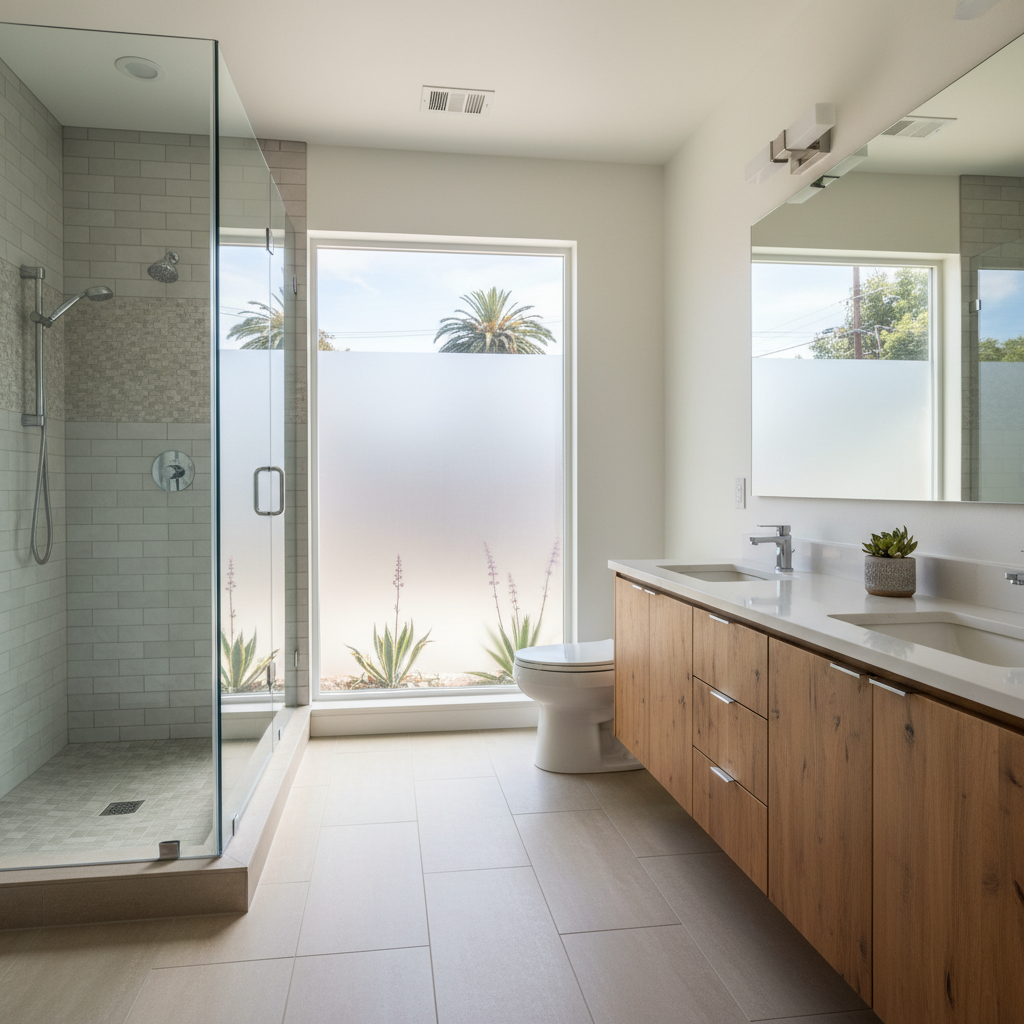
So, you’ve put money into a beautiful new bathroom, maybe we even helped you out at Lakewood Bathroom Solutions. That fresh tile, the sparkling fixtures, the smooth new paint – it’s a great feeling, isn't it? But here’s the thing: a remodel isn't a "set it and forget it" kind of deal. To really protect that investment and keep it looking fantastic for years, you’ve got to put in a little effort. It’s not much, I promise, but it makes a huge difference.
Extending the Life of Your Remodel
The biggest thing you can do to make your bathroom last longer is pretty simple: keep it clean and dry. I know, I know, obvious, right? But people often don't realize just how much moisture can cause problems, especially here in Southern California. We don't always get those super dry winters to give things a break, do we? Good ventilation is key. Always run your exhaust fan during and for at least 15-20 minutes after every shower or bath. If you don't have a good fan, or if yours is old and weak, that's something to fix sooner rather than later. That fan pulls out the humid air that just loves to encourage mold and mildew growth, which can stain grout, warp cabinets, and even damage drywall over time.
Another tip? Use gentle cleaners. Harsh chemicals, especially on natural stone or certain types of grout, can strip sealants or cause discoloration. Stick to pH-neutral cleaners for most surfaces. For your shower, a daily squeegee on glass doors prevents hard water spots. These are a real pain to get rid of once they build up, particularly with our hard water here in Lakewood.
Regular Maintenance You Can Do
You don't need to be a professional to keep your bathroom in top shape. Here's what I recommend for regular upkeep:
- Check and re-seal grout and caulk: Every year or two, take a good look at your grout lines and caulk seams. Pay special attention to the shower and around the tub. If you see cracks, discoloration, or areas where it's pulling away, it's time to re-seal or re-caulk. This is your first line of defense against water getting into places it shouldn't. It's a DIY job for most folks, and it prevents much bigger headaches down the road.
- Clean drains: Hair and soap scum are the enemies of clear drains. Use a drain snake or a natural drain cleaner (baking soda and vinegar works wonders) regularly to prevent clogs. Don't wait until it's completely stopped up.
- Inspect for leaks: Periodically check under sinks, around toilet bases, and behind shower fixtures for any signs of moisture. Even a small, slow leak can cause significant damage if left unchecked. Look for water stains, warped wood, or a musty smell.
- Wipe down surfaces: After each use, a quick wipe of the vanity and shower walls helps prevent soap scum and toothpaste buildup. It’s much easier to clean a little every day than to tackle a big mess once a week.
Warning Signs of Bigger Problems
Sometimes, despite your best efforts, things go wrong. Knowing what to look for can save you a lot of money and stress. If you notice any of these, don't ignore them:
- Persistent musty odors: This is almost always a sign of mold or mildew growth, often hidden. It means you've got moisture somewhere it shouldn't be.
- Discolored or crumbling grout/caulk: Beyond normal wear, if grout is really falling apart or turning black in spots even after cleaning, it's not just cosmetic. Water could be getting behind your tile.
- Loose tiles: If a tile feels spongy or moves when you press on it, the adhesive or substrate underneath might be compromised by moisture.
- Water stains on ceilings or walls below the bathroom: This is a definite red flag for a leak.
- Reduced water pressure or constantly running toilet: These aren't necessarily remodel-specific, but they indicate plumbing issues that need attention.
- Cabinet doors or drawers sticking: While sometimes just humidity, if it's new and combined with other signs, it could mean water damage causing warping.
Especially in older homes around the Heartwell Park area, where some of the original plumbing might still be lurking, keeping an eye on these things is crucial. Those old galvanized pipes can corrode and cause issues you won't see until it's too late.
When to Call a Professional
Look, I'm all for DIY, but there are times when you just need to call in the pros. If you see any of the warning signs I just mentioned and you can't easily identify or fix the source, that's when you pick up the phone. Don't try to patch over a persistent leak or extensive mold growth yourself. You could end up causing more damage, or worse, creating an unhealthy environment.
If you've got a major leak, a clogged drain that won't clear, or you suspect water damage behind your walls or under your floor, it's time for an expert. We've seen it all at Lakewood Bathroom Solutions, and catching these issues early can prevent a small repair from turning into another full-blown remodel. Your bathroom was built to last, but a little vigilance and knowing when to ask for help will ensure it does just that.